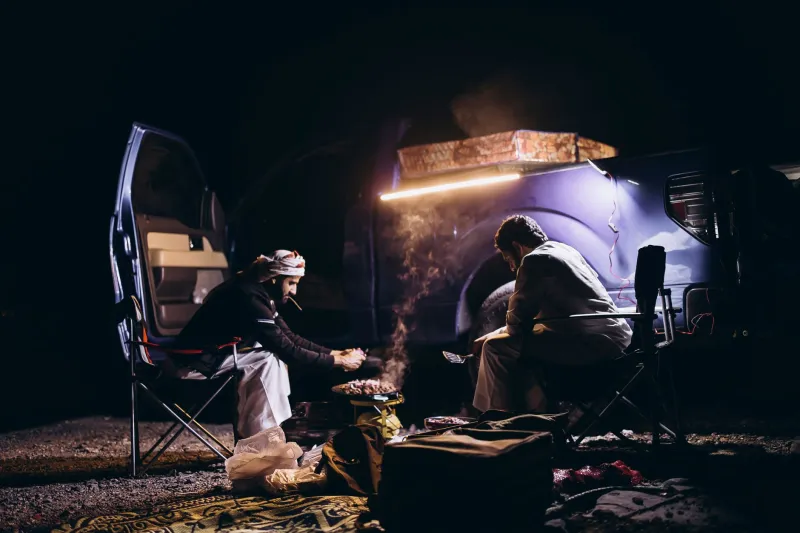
Shotgun Isn't Just a Seat: How to Pick the Right Co-Pilot for Your Off-Road Adventure
You've done the prep work. You've got the rig dialed in, the gear packed, and a trail queued up that's been living rent-free in your head for months. But here's the question a lot of off-roaders gloss over until it's too late: who's coming with you?
Because here's the thing — the right co-pilot can turn a good trip into an unforgettable one. The wrong one? Well, let's just say no amount of scenic overlooks makes up for four hours of tension in a two-door Bronco.
This isn't about judging your friends. It's about being honest with yourself about what kind of expedition you're planning, what you need from a partner, and how to make a smart match before you're 40 miles from the nearest cell tower.
Start With the Trip, Not the Person
Before you even start mentally flipping through your contact list, get clear on what the adventure actually demands. A weekend recovery-practice run on a moderate trail in the Ozarks is a totally different ask than a five-day overland push through the San Juan Mountains.
Ask yourself:
- How remote are we going?
- What's the technical difficulty of the terrain?
- Is this a chill-and-explore trip or a push-your-limits expedition?
- What's the backup plan if something goes sideways?
Once you know the shape of the trip, you'll have a much clearer picture of what kind of person will thrive in that environment — and who might struggle.
Risk Tolerance: The Big One Nobody Talks About
Mismatched risk tolerance is probably the number one source of friction on off-road trips, and it almost never gets discussed upfront.
Some people come alive when the trail gets gnarly. They want the sketchy ledge crossing, the river ford, the moment where you're not 100% sure you're making it through. Others genuinely enjoy adventure but have a hard stop when things start feeling truly unpredictable. Neither of those is wrong — but putting those two people in the same cab without a conversation first is a recipe for resentment.
Before you invite someone along, have a real talk about it. You don't have to make it weird. Just frame it honestly: "Hey, this trail has a couple of sections that are pretty committing. I want to make sure we're on the same page about pushing through versus turning around." The response you get will tell you a lot.
Complementary Skills Beat Identical Skill Sets
A lot of people instinctively want to bring someone who drives exactly like they do. Same experience level, same gear preferences, same approach. Makes sense on the surface — but it's actually not ideal.
The best co-pilot is someone whose strengths fill in your gaps. Maybe you're a confident driver but terrible at navigation. Maybe you know your rig inside and out but freeze up when you need to make a quick call under pressure. Whoever you bring should ideally shore up at least one of those weak spots.
Think about skills like:
- Navigation and map reading — especially useful in areas with spotty GPS
- Mechanical know-how — having someone who can troubleshoot in the field is huge
- First aid and wilderness safety — underrated until it suddenly isn't
- Recovery experience — knowing how to run a winch or set up a hi-lift jack properly matters
- Camp setup and logistics — someone who's good at organizing a campsite and managing food and water is worth their weight in gold on multi-day trips
You're not looking for a clone. You're looking for a complement.
Communication Style Matters More Than You Think
Spend enough time on trails and you'll realize that off-roading is basically a continuous stream of micro-decisions. Do we take this line or that one? Do we air down more? Is that crossing safe? Do we push on or set up camp?
How you and your co-pilot communicate during those moments — especially when you disagree — will define the whole trip.
Some people are decisive and direct. Others are more deliberate and want to talk through options before committing. Neither style is a dealbreaker, but you need to know which one you're working with. If you're the kind of driver who needs to make a call fast and your co-pilot wants a five-minute pros-and-cons discussion every time, that friction adds up.
Pay attention to how someone communicates in lower-stakes situations before you're on a shelf road with a 400-foot drop-off on one side.
The Mood Factor: Energy, Attitude, and Flexibility
Off-road adventures have a way of not going according to plan. Trails get washed out. Weather turns. A recovery takes three hours instead of thirty minutes. Gear fails. The campsite you had in mind is already taken.
The person sitting next to you during all of that needs to be someone who can adapt without spiraling. You're not looking for someone who's relentlessly chipper — that gets old fast — but you do need someone who can stay functional and even-keeled when the plan falls apart.
Think back to the last time things went sideways with this person in a non-trail situation. How'd they handle it? That's your data point.
Experience Level: Honest Over Impressive
Bringing someone with less experience isn't a problem — it can actually make a trip richer. Watching someone fall in love with off-roading for the first time is genuinely one of the better things in life.
But you need honesty about where they actually are, not where they think they are or where they want to be. An overconfident beginner who won't take direction is a safety issue. A genuine beginner who's coachable and curious? That's a great co-pilot in the making.
Have the conversation directly: "I want to be real with you — this trip has a few sections that are going to feel intense. Are you comfortable with me calling some of the shots on the technical stuff, at least until you get a feel for it?" If they bristle at that, you've learned something important.
One Last Check: Do You Actually Like Spending Time With This Person?
This sounds obvious, but it gets overlooked. You can find someone who checks every box — right skill set, solid risk tolerance, great communicator — and still have a miserable trip if you just don't vibe with them in close quarters.
Off-roading is intimate in a way that's hard to explain until you've done it. You're sharing a small space, making decisions together under pressure, eating meals next to a campfire, and dealing with the unglamorous parts of the outdoors side by side. That requires a baseline of genuine comfort and trust.
Choose someone you'd want to share a long drive with even if the destination wasn't worth it. That's your co-pilot.
At RentWildcat, we know the rig is only part of the equation. The right adventure starts with the right people in it. So before you hit the trail, take the time to think this one through. The miles ahead are worth it.