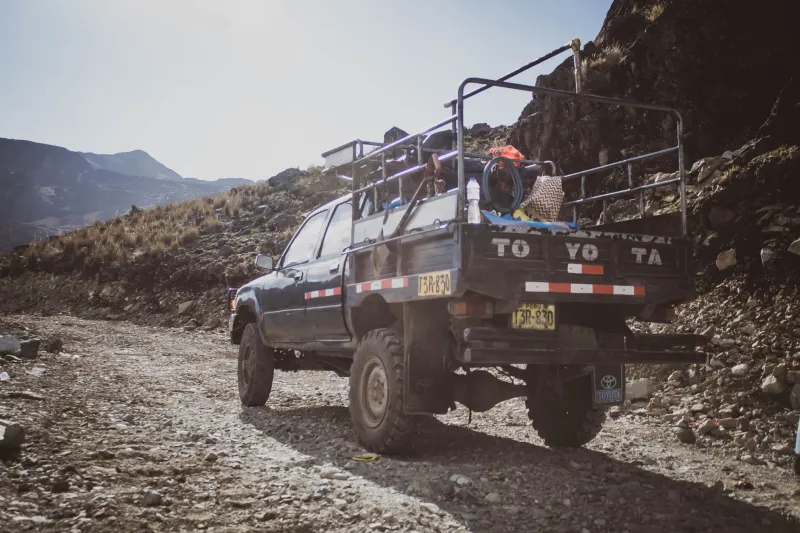
Trail Truths: What Off-Road Adventures Really Reveal About the People You Bring Along
You can know someone for years—grab beers with them, work alongside them, even call them your best friend—and still have absolutely no idea how they handle a blown tire on a remote fire road in southern Utah with the sun going down. That's the thing about off-road trips. They strip away the comfortable layers of everyday life and show you something much more real.
We've seen it happen time and again. Groups of people who seemed totally in sync fall apart at the first sign of trouble. And then there are the crews who've barely spent a weekend together that somehow click like they've been running trails for years. The difference usually has nothing to do with gear lists or driving skill. It's about character—and the trail has a way of putting that on full display.
The Pressure Cooker Effect
There's a reason military units, sports teams, and first responders talk so much about how crisis reveals character. When the stakes are low and everything's going smoothly, almost anyone can seem like a great partner. But throw in a mud bog that swallows your rear axle, a wrong turn that costs you two hours of daylight, or a disagreement about whether to push through a sketchy creek crossing—that's when you start seeing the real person.
Some people rise. They get calm, focused, and useful. Others spiral. They panic, shut down, or worse, start pointing fingers before anyone's even assessed the situation. Neither reaction is something you can fake for long in the backcountry. The trail is just too honest.
Before your next adventure, it's worth thinking about what kind of pressure your partners have been under with you before—and how they responded. A weekend on the trail is basically an accelerated version of that same test.
Risk Tolerance Is a Relationship Issue
One of the most common sources of friction in off-road groups isn't attitude or effort—it's mismatched risk tolerance. One person looks at a steep, loose descent and sees a fun challenge. Another looks at the same line and sees a rollover waiting to happen. Neither of them is wrong, necessarily. But if those two people can't communicate about it openly and reach a decision they both feel okay with, you've got a problem.
Misaligned risk tolerance creates resentment fast. The more cautious person feels pressured and disrespected. The more aggressive driver feels held back and babied. And if no one talks about it directly, those feelings just simmer until something boils over—usually at the worst possible moment.
The fix isn't finding people who are identical to you in how they assess risk. It's finding people who can actually talk about it. Ask before you go: What's your comfort level with technical terrain? Are you okay with us turning around if something feels off? Those conversations feel awkward at a tailgate. They feel a lot more necessary when you're staring down a sketchy shelf road.
How People Make Decisions Under Stress
Off-road situations demand real-time decisions, often with incomplete information. Do you try to winch out now or wait for conditions to improve? Do you split up or stay together? Do you trust the GPS or the guy who swears he's been on this trail before?
Watch how your partners engage with those moments. Are they collaborative—throwing out ideas, listening to input, willing to change course when new information shows up? Or do they dig in, get defensive, or go completely silent and expect someone else to handle it?
Decision-making styles aren't good or bad on their own. A decisive person can be a huge asset when the group is paralyzed. But that same person can become a liability if they can't hear a valid concern from someone else. The best adventure partners are adaptable—they can lead when leadership is needed and step back when the situation calls for listening.
Communication Styles on the Trail
Off-road environments are loud, distracting, and sometimes genuinely stressful. That's not a great recipe for clear communication—but it's exactly when clear communication matters most.
Pay attention to how your crew talks to each other when things get tense. Do people get sarcastic or dismissive? Does anyone shut down entirely? Is there someone who talks over everyone else, or someone who never speaks up even when they clearly have something to say?
These aren't just trail problems—they're relationship patterns. The person who gets snippy when they're stressed on the trail is probably the same person who gets snippy when they're stressed at work or at home. The trail just makes it harder to ignore.
Before a big trip, it's worth being explicit about communication expectations. Something as simple as agreeing on hand signals, establishing a check-in cadence on long routes, or deciding who's the default decision-maker in an emergency can prevent a ton of friction down the line.
When the Trip Reveals a Mismatch
Sometimes you get back from a weekend in the mountains and realize, quietly, that you and one of your travel partners probably shouldn't share a rig again. That's okay. It doesn't mean the friendship is over—it might just mean that person is better suited to being your camping buddy than your co-pilot on a technical trail.
The worst thing you can do is ignore the mismatch and keep forcing it. Adventures are supposed to be fun. If you're dreading the interpersonal dynamics more than you're looking forward to the terrain, that's a sign something needs to change.
Having an honest conversation after a rough trip is uncomfortable, but it's a lot better than building resentment over multiple bad experiences. Lead with what you enjoyed, acknowledge what was hard, and talk about what would make things work better next time—or whether there should be a next time.
The Flip Side: When the Trail Builds Something Real
Here's the part people don't talk about enough: when off-road trips go well, they build a kind of trust and camaraderie that's genuinely hard to find elsewhere. Helping someone recover a stuck vehicle, navigating a tricky route together, making a group call to turn back and respecting that decision—those experiences bond people in a way that's pretty unique.
The friends who've been through some actual trail adversity with you and come out the other side laughing? Those are keepers. Those are the people you want in your corner, on and off the road.
So yes, the trail tests you. But it also rewards you—with clarity about who your people really are, and with memories that stick around a lot longer than a smooth, uneventful weekend ever would.
When you're ready to put your crew to the real test, RentWildcat has the rigs built for it. Because the best adventures aren't just about the destination—they're about who you discover along the way.