Mud, Miles, and Mayhem: What a Weekend on the Trail Really Tells You About Your Crew

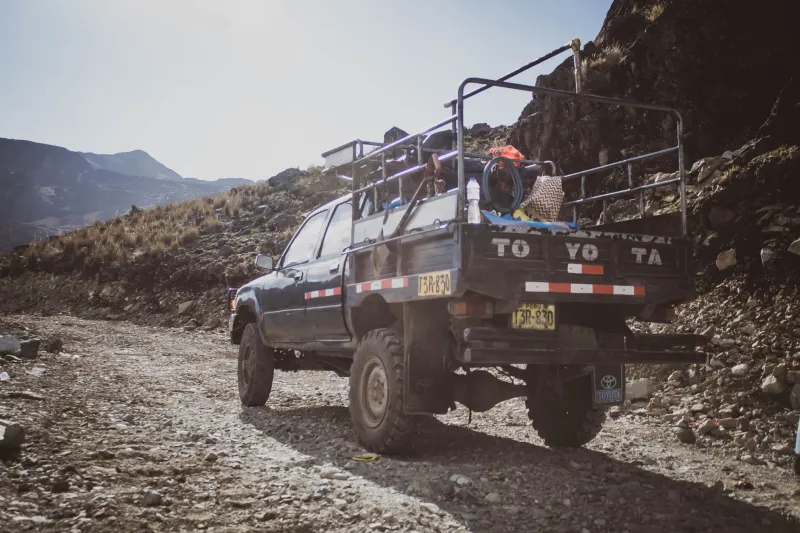
Photo by Photo by 4Wheelhouse on Unsplash on Unsplash
You've done cookouts together. You've split bar tabs, shared vacations, maybe even helped each other move. You think you know your friends pretty well.
Then you take them off-road.
Something shifts when you pull a rig onto a trail and cell service disappears in the rearview mirror. The social niceties start to peel away somewhere around mile three. By day two, when the recovery strap is tangled, the camp stove is out of fuel, and two people in the group have wildly different opinions about which fork in the trail to take—that's when you find out who someone actually is.
Off-road trips are, without exaggeration, one of the most effective personality tests on the planet. And unlike a Myers-Briggs questionnaire, this one comes with consequences.
The Pressure Cooker Effect
There's a reason military units, sports teams, and first responders bond so deeply—shared adversity creates a kind of trust that ordinary life just can't manufacture. A multi-day backcountry trip operates the same way, just with less structure and more dust in your teeth.
When things go sideways on the trail—and they will—people default to their real selves. The friend who seemed easygoing at a backyard barbecue might turn weirdly controlling when they're navigating. The quiet coworker you weren't sure about might turn out to be the calmest, most capable person in the group when a tire blows at dusk. You simply don't know until you're out there.
That pressure cooker effect isn't a bug—it's a feature. It accelerates relationship truth. What might take years of normal friendship to discover, a 72-hour trail trip can surface in an afternoon.
The Four Trail Personalities (And How to Spot Them Early)
Spend enough time running trails with different groups and you start to notice patterns. Most people fall somewhere in a handful of categories:
The Overcorrector — Always convinced the group is doing it wrong. They'll second-guess every route decision, every camp spot, every gear choice. Not inherently bad, but exhausting if they can't dial it back.
The Disappearer — Physically present but mentally checked out. They don't want to help with camp setup, they're vague when decisions need to be made, and they tend to reappear when the food is ready. Again, not a dealbreaker, but know what you're working with.
The Anchor — This is the person you want. Steady, solutions-focused, and genuinely happy to be there. When something breaks, they're already thinking about the fix before anyone else has finished panicking.
The Chaos Agent — Brings great energy, terrible planning. They forgot a sleeping bag. They didn't check their tire pressure. They're fun until they're a liability. Whether you can handle this personality depends entirely on how much buffer room your trip has built in.
None of these types are permanent character flaws. But knowing who's in your group before you're 40 miles from the nearest paved road? That's just smart trip planning.
Conflict at 6,000 Feet Hits Different
Disagreements happen in everyday life all the time—and we mostly manage them fine because there's always an exit. You can leave the party. You can go home. You can give it a day.
On the trail, there's no exit. You're in it together until you're not, and that changes the stakes of every friction point.
Maybe it's a disagreement about whether to push through a sketchy section or turn back. Maybe someone's driving is making the group nervous and nobody wants to say it. Maybe the group is split on whether to push for another 15 miles before camp or stop where you are.
These moments aren't crises—they're tests. How your group handles low-stakes conflict on day one tells you everything about how they'll handle the real stuff if it comes up.
The groups that come out stronger are the ones where people can say the uncomfortable thing out loud without it turning into a blowup. Direct communication, a little humility, and the ability to laugh at yourself—those three things will carry a crew through almost anything the trail throws at them.
How to Build a Crew Worth Trusting
If you're planning your first serious multi-day off-road trip, don't just invite whoever sounds enthusiastic. Enthusiasm is plentiful. Reliability is rare.
Start smaller than you think you need to. A shakedown trip—one night, manageable terrain, nothing too remote—is worth doing before you commit to a week-long expedition with a group. You'll learn more about group chemistry in 24 hours than you will in any amount of pre-trip group chats.
Have the practical conversations early. Who's bringing what gear? Who's comfortable with recovery? Does everyone have a basic understanding of what to do if a rig goes down? These aren't fun conversations, but they're the ones that matter.
And pay attention to how people handle small inconveniences before the trip even starts. The person who can't deal with a schedule change or a gear substitution during planning is the person who's going to be difficult when something actually goes wrong out there.
When the Trail Breaks Things (And When It Builds Them)
Here's the honest truth: not every friendship is built for this. Some people who are great in ordinary life are genuinely difficult in the field, and that's okay. It doesn't make them bad people—it just means they're not your trail crew.
But when you find the right group? When everyone's pulling their weight, nobody's taking themselves too seriously, and the vibe is good even when the day is hard? That's something you carry with you long after the trip is over.
There's a specific kind of trust that gets built when someone helps you winch your rig out of a ditch at 9 PM with a headlamp and a good attitude. It's different from any trust you build over drinks or through a screen. It's earned.
At RentWildcat, we've watched a lot of groups head out on their first big adventure together. The ones who come back already planning the next trip? They figured something out about each other out there that they couldn't have learned any other way.
One Last Thing Before You Go
Before your next trip, take five minutes to think honestly about who's coming with you. Not just who's fun—who's reliable. Who stays calm. Who you'd actually want next to you if things went sideways.
The trail will sort the rest out. It always does.
And if you're still building your crew and want to start small, renting a capable rig for a weekend trip is one of the lowest-commitment ways to test the waters—with new friends or old ones. Sometimes all it takes is one good trip to find out you've had the right people around you all along.