New Rig vs. Used Beast: What First-Time Off-Roaders Should Actually Spend Their Money On
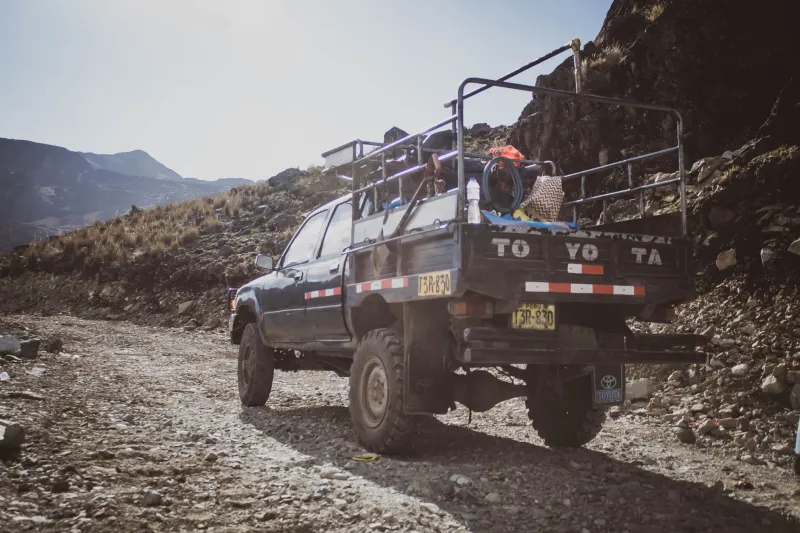
So you've caught the bug. Maybe it was a road trip through Moab, a friend's Instagram reel from the Rubicon Trail, or just one too many weekends stuck on the highway wishing you were somewhere — anywhere — else. Whatever lit the spark, you're now seriously thinking about getting your own off-road rig.
And then you start shopping. And then your jaw hits the floor.
A new Toyota 4Runner TRD Pro? Easily $60,000+. A loaded Ford Bronco Wildtrak? Same neighborhood. Even a "base" Jeep Wrangler Rubicon creeps past $50K before you've added a single accessory. Suddenly the dream feels like it comes with a mortgage payment.
Here's the thing nobody in a dealership showroom will tell you: for most first-time adventure seekers, buying used is almost always the smarter play. Let's break down exactly why.
The Depreciation Hit Is Real — And It's Not Yours to Take
New vehicles lose value the moment you drive them off the lot. That's not a myth — it's math. Most new trucks and SUVs depreciate somewhere between 15% and 25% in the first year alone. On a $55,000 Bronco, that's potentially $8,000 to $14,000 in lost value before you've even aired down your tires for the first time.
When you buy a used 4x4 that's two or three years old, someone else already absorbed that brutal initial drop. You're stepping in at a much flatter part of the depreciation curve, which means if you decide off-roading isn't your thing — or you want to upgrade to a different platform — you can sell without taking a massive bath.
For a beginner who's still figuring out what they actually want in a trail rig, that flexibility is worth a lot.
Used Doesn't Mean Unreliable — It Means Proven
Here's a perspective shift that might surprise you: a used vehicle with a solid ownership history can actually be more reliable than a brand-new model in its first year of production.
Why? Because new model years are essentially beta tests. Manufacturers work out kinks over time, and early adopters sometimes deal with recalls, software glitches, or mechanical quirks that get quietly fixed in later production runs. A 2021 or 2022 4Runner, Tacoma, or Wrangler has already been through that sorting process. Owner forums, Reddit threads, and enthusiast communities have documented every known issue — and often the fixes — in exhaustive detail.
That kind of real-world data is gold for a first-time buyer. You can walk into a purchase knowing exactly what to inspect, what to ask about, and what a fair price looks like.
The Accessory Advantage Nobody Talks About
Off-road builds don't come cheap. A quality lift kit, a set of all-terrain tires, a roof rack, a winch, skid plates — these upgrades can easily add another $5,000 to $15,000 to the cost of a new vehicle. And with a new rig, you're starting from zero.
Buy used, and there's a real chance the previous owner already did some of that work. Many enthusiasts invest heavily in their vehicles and then sell when life circumstances change — relocation, growing family, new hobby. Their loss is your gain. Finding a used Jeep or Land Cruiser that already has quality trail mods installed means you're getting more capable vehicle per dollar than anything you'd find on a new car lot.
Just make sure you have a trusted mechanic inspect any used rig before you buy, especially one that's been modified. Not all builds are created equal.
Total Cost of Ownership: The Number That Actually Matters
Purchase price is just one piece of the puzzle. When you're comparing a new versus used adventure vehicle, you need to factor in:
- Insurance: New vehicles almost always cost more to insure, especially with full coverage required by most lenders.
- Registration fees: In many states, registration is tied to vehicle value — newer equals pricier.
- Loan interest: If you're financing, a lower purchase price means less total interest paid over the life of the loan.
- Warranty: New vehicles come with manufacturer warranties, which has real value. But many certified pre-owned programs offer solid coverage too, and extended warranties are available for used vehicles.
When you add it all up, the monthly and annual cost of owning a used rig is often dramatically lower — freeing up cash for the thing you actually bought the vehicle for: getting out there.
But Wait — What If You're Not Even Sure Yet?
Here's the honest truth that most gear-focused content won't say out loud: you might not know what you want until you've actually done it.
Do you want a full-size truck platform or something more nimble? Do you prefer the open-air feel of a Jeep or the comfort of a Land Rover? Are you planning mostly weekend day trips or multi-day backcountry expeditions? These questions sound simple, but the answers change everything about which vehicle makes sense for you.
This is exactly where renting before buying becomes one of the smartest moves a first-timer can make. At RentWildcat, you can get behind the wheel of different adventure-ready rigs — fully equipped and trail-ready — before you commit to anything. Want to see how a lifted 4Runner handles a forest road? Done. Curious whether a Wrangler's ride quality will drive you crazy on the highway? Find out without a five-year loan attached.
Think of it as a test drive that actually tests something meaningful.
So, What Should You Actually Buy?
If you've done your homework, driven a few different platforms, and you're ready to pull the trigger, here's a general framework for first-time buyers:
Sweet spot for used 4x4s: Look at vehicles that are two to four years old with under 50,000 miles. Models like the Toyota Tacoma, Toyota 4Runner, Jeep Wrangler, and Ford Bronco have massive enthusiast communities, tons of aftermarket support, and strong resale values. You're not going to get stuck with something nobody wants to work on.
Get a pre-purchase inspection: Always. Non-negotiable. A good independent mechanic who knows trucks will charge you $100 to $200 for an inspection that could save you thousands.
Check the forums: The TacomaWorld forums, JeepForum, Bronco6G — these communities know their platforms inside and out. Post your prospective VIN or ask questions before you buy.
Don't overbuy on day one: A stock or lightly modded used 4x4 is plenty of truck to learn on. You'll figure out what you actually need after a season of real trail time.
The Bottom Line
There's no shame in wanting a brand-new rig with that new-car smell and zero miles on the odometer. But for most people just getting into off-road adventures, the math strongly favors going used. Less depreciation risk, more proven reliability, potential for a head-start on the build — and more money left over for the fuel, gear, and trail fees that make the whole thing worthwhile.
Not sure where to start? Rent first. Drive something wild. Figure out what actually makes your heart race on a dirt road — then go find that truck at a price that makes sense. That's the smart way to start your adventure.