Don't Sign Until You Read This: How to Catch a Dangerous Rental Rig Before It Catches You
There's a moment at every rental pickup that feels a little rushed. The paperwork is thick, the staff is busy, and you're already mentally picturing the trailhead. It's easy to do a quick walkaround, nod along, and grab the keys.
Don't do that.
When you're renting an adventure vehicle — a lifted 4x4, an overlanding rig, a side-by-side, a Jeep built for serious terrain — the stakes of skipping a proper inspection are way higher than with a standard airport rental. A dinged bumper on a Camry is annoying. A compromised suspension component on a trail rig at mile 40 of a remote forest road is a genuine emergency.
Here's how to slow down, look sharp, and make sure the vehicle you're signing for is actually ready to go where you're taking it.
Cosmetic Damage vs. Structural Damage: Know the Difference
Scratches happen. Rock rash on rocker panels, faded paint on the hood, scuff marks on the bumper — these are the battle scars of a vehicle that's actually been used. None of that should concern you much.
What should concern you is damage that affects how the vehicle performs or how safe it is to operate. Learn to tell the difference before you get to the lot.
Structural red flags include:
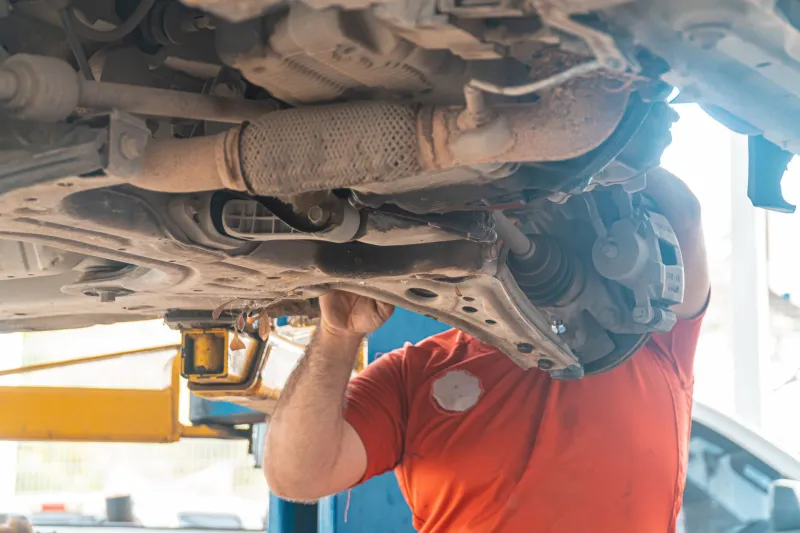
- Frame damage or visible bends — Get low and look under the vehicle. The frame rails should be straight and consistent. Any obvious bends, cracks, or weld patches on the frame are serious. A compromised frame affects handling, towing capacity, and how the vehicle absorbs impact on rough terrain.
- Uneven panel gaps or misaligned body panels — This can indicate prior collision damage that was repaired cosmetically but not structurally. Pay attention to doors that don't close flush, gaps that vary widely between panels, or hood alignment that seems off.
- Suspension components that look bent or damaged — Control arms, tie rods, and steering linkages should look clean and straight. If anything looks kinked, cracked, or recently bent, that's not cosmetic — that's a failure waiting to happen.
Cosmetic issues worth documenting (but not necessarily dealbreakers): surface rust on body panels, minor dents, worn interior, faded trim. These won't strand you, but you absolutely want them photographed before you drive off.
The Pre-Rental Walkthrough Nobody Does (But Should)
Most renters do a quick loop around the vehicle, check the tires, and call it done. Here's a more thorough approach that takes maybe 20 extra minutes and could save your entire trip.
Tires: Check all four — plus the spare. Look for uneven wear patterns, which can indicate alignment or suspension issues. Check the sidewalls for cracking, bulging, or cuts. Make sure the tread depth is actually appropriate for off-road use, not just technically legal. A tire that's fine on pavement can be genuinely dangerous on wet rock or loose terrain.
Fluid levels: Pop the hood. Check engine oil, coolant, and brake fluid. Low fluids on a rental vehicle suggest either a slow leak or poor maintenance habits — neither of which you want to discover on a trail.
Brakes: Before you leave the lot, find a safe spot to do a firm brake test. They should feel solid and responsive, not spongy or pulling to one side. Brakes that feel off on pavement feel terrifying on a steep downhill trail.
Skid plates and underbody protection: If the vehicle is marketed for off-road use, it should have skid plate coverage on the oil pan, transfer case, and fuel tank at minimum. Lift the vehicle on a jack stand if you can, or get your phone under there for a photo. Missing or cracked skid plates mean the rental company either isn't maintaining the rig for real use or the previous renter did some serious damage.
Four-wheel drive engagement: Engage 4-High and 4-Low before you leave. Listen for grinding, clunking, or hesitation. Both should engage cleanly. If the transfer case sounds rough or the system seems reluctant to shift, flag it immediately.
Lights and recovery equipment: Check that all lights work — including the ones you might actually need, like fog lights and any auxiliary lighting. If recovery gear (a tow strap, hi-lift jack, or traction boards) is supposed to be included, physically verify it's in the vehicle and in usable condition.
Document Everything — More Than You Think You Need To
This is the part most renters underdo, and it's the part that saves you when a rental company tries to charge you for damage you didn't cause.
Before you move the vehicle, do a complete photo and video walkthrough. That means:
- All four sides of the exterior
- Close-ups of every existing scratch, dent, or scuff
- The underbody (get your phone low and sweep it across)
- The interior, including the seats, carpet, and headliner
- The cargo area
- Every piece of equipment listed on the rental agreement
Timestamp matters. Use your phone's built-in camera so the metadata captures the date and time. If the rental company has a damage form, fill it out completely and get a copy — don't just trust that they noted everything verbally.
If staff pushes back on you taking photos or seems impatient, that's itself a red flag worth noting.
Questions That Reveal How Seriously a Rental Company Takes Maintenance
The condition of the vehicle tells you a lot. The answers you get when you ask direct questions tell you even more.
Try these:
- "When was this vehicle last serviced?" A company that maintains its fleet for real off-road use should be able to give you a specific, recent answer — not a vague "recently" or a redirect.
- "Has this rig been on any serious trails since its last inspection?" This gets at whether there's been any undocumented stress on the drivetrain or suspension.
- "What's your process if I have a mechanical issue in the field?" Good rental companies have a clear protocol — a support number, a roadside assistance plan, or a policy on emergency repairs. If the answer is a shrug, that's a problem.
- "Is the spare a full-size match?" A compact spare on a lifted off-road vehicle is borderline useless in the backcountry. You need to know this before you find out the hard way.
A company that's proud of how they maintain their fleet will answer these questions directly and confidently. A company that gets defensive or vague? Pay attention to that.
When to Walk Away
Sometimes the right move is to not take the vehicle at all. If you find frame damage, a suspension component that looks compromised, brakes that feel wrong, or four-wheel drive that won't engage properly — and the rental company either dismisses your concerns or can't offer a replacement — walk away.
It's a frustrating call to make, especially if you've been planning the trip for months. But a vehicle with real mechanical problems doesn't become less dangerous because you really want to hit the trail. It just means you're gambling with your safety and your wallet.
The best rental companies want you to do this inspection. They want you to ask the hard questions. Because they know their rigs are actually ready.
That confidence — from both sides of the counter — is what a good rental experience looks like. Anything less, and you're better off finding a different rig.