Fine Print, Big Consequences: What Your Off-Road Rental Contract Is Really Saying

You've done the research. You found the perfect rig—lifted suspension, locking differentials, skid plates that look like they were forged in a blacksmith shop. You've got your route mapped, your crew ready, and your cooler packed. Then someone slides a rental agreement across the counter, and you do what almost everyone does: skim it, sign it, and head for the trailhead.
That's the moment a lot of adventures quietly start going sideways.
Off-road rental contracts aren't like your typical car rental paperwork. They're written with specialty vehicles in mind—vehicles that operate in genuinely dangerous conditions, far from paved roads and cell service. That means the legal language is tighter, the liability exposure is higher, and the clauses that can hurt your wallet are buried deeper. Let's pull back the curtain on what you're actually agreeing to.
The "Unauthorized Use" Trap
Almost every off-road rental agreement includes a section defining what counts as "authorized use" of the vehicle. At first glance, it sounds reasonable—don't drive drunk, don't let your unlicensed cousin behind the wheel, don't use it for commercial purposes. Fine.
But dig into the specifics and you'll often find language that defines off-road use in surprisingly narrow terms. Some contracts prohibit travel on "unmaintained roads"—which, depending on how a company interprets that phrase, could technically include the very trails you rented the vehicle to drive. Others restrict use to specific geographic regions or prohibit river crossings entirely, even if the company's own marketing photos show the rig splashing through a creek.
If you damage the vehicle in a way that violates the authorized use clause—even unintentionally—your damage waiver may be voided entirely. You're not just on the hook for the repair. You could owe the full replacement cost of the vehicle.
Read the authorized use section word by word. If anything seems ambiguous, ask for clarification in writing before you leave the lot.
Damage Waivers Aren't What You Think
The damage waiver—sometimes called a collision damage waiver or CDW—is one of the most misunderstood products in the rental industry. A lot of renters treat it like insurance. It isn't.
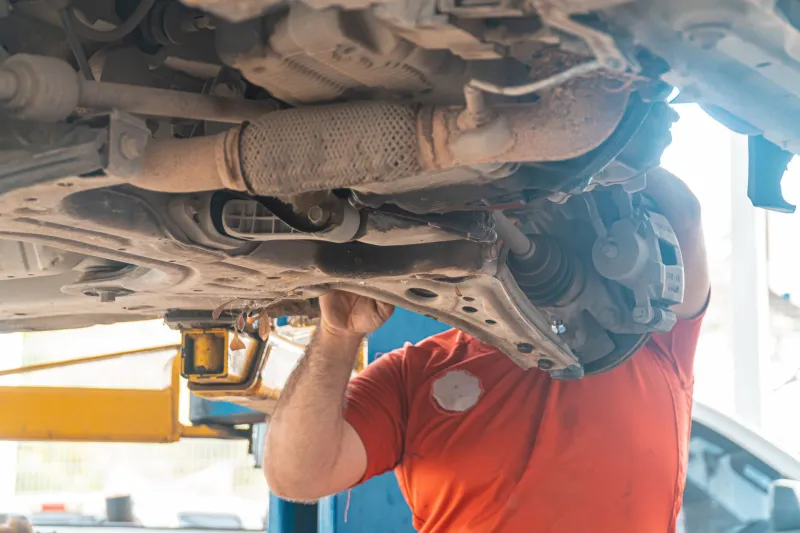
A waiver is the rental company agreeing to waive their right to collect damages from you under specific conditions. The key phrase there is "specific conditions." Most waivers come with a long list of exclusions: damage to the undercarriage, tire damage, damage from water ingestion, damage caused by improper gear selection, rollover damage, and so on.
For a standard sedan on a highway, those exclusions barely matter. For an off-road rig on technical terrain, they cover nearly every realistic failure scenario. Bent a rocker panel on a boulder? Undercarriage exclusion. Snapped a CV axle in a rut? Drivetrain exclusion. Cracked a differential housing on a water crossing you didn't know was too deep? You guessed it.
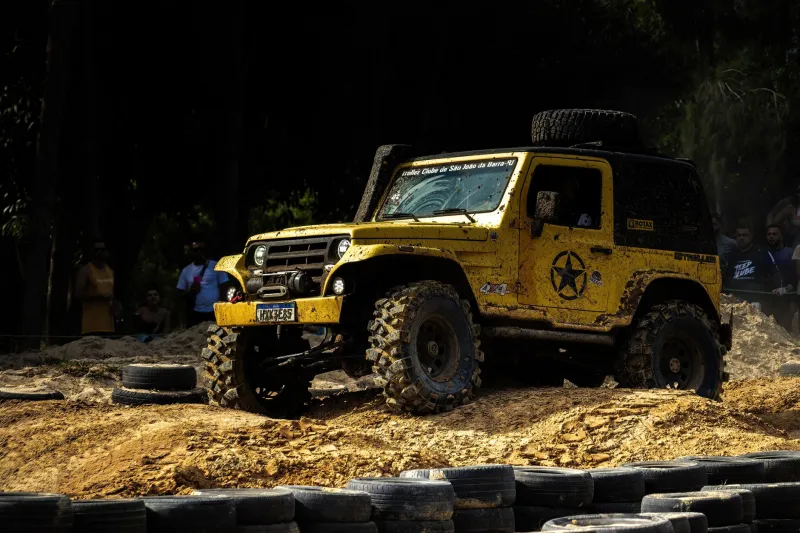
One renter in Colorado picked up a Jeep Gladiator for a four-day trip through the San Juans. She purchased the full damage waiver, felt confident, and didn't think twice about it. On day three, a rock ledge caught the skid plate at a bad angle and cracked the transfer case housing. The repair estimate came in at $3,800. The waiver excluded "impact damage to drivetrain components." She paid every dollar out of pocket.
Always ask for a written list of what the waiver doesn't cover. That list tells you far more than what it does.
Your Personal Auto Insurance Probably Won't Save You
A common assumption is that your personal auto insurance policy or the coverage on your credit card will fill the gaps left by a rental company's damage waiver. For off-road specialty vehicles, this is usually wishful thinking.
Most personal auto policies explicitly exclude off-road use. If your vehicle is being operated in a context your policy defines as off-road recreation—which most backcountry adventures clearly are—your coverage doesn't apply. Credit card rental protections are even more limited; they typically only cover standard passenger vehicles and exclude specialty or recreational vehicles by category.
Call your insurance provider before your trip. Don't assume. Ask directly: "If I rent an off-road vehicle and damage it on a trail, am I covered?" Get the answer in writing if you can. You may find you need to purchase a standalone rental protection plan, which some specialty insurers offer specifically for adventure vehicle rentals.
The Mileage Math Nobody Does
Off-road rental pricing structures can be deceptively complex. Many companies advertise a daily rate that looks reasonable, then bury a mileage cap in the contract. Exceed that cap and you're paying a per-mile overage fee—sometimes $0.50 to $1.00 per mile or more.
Here's the thing about off-road adventures: your mileage adds up faster than you expect. A two-day loop through Utah's canyon country that looks like 120 miles on the map might actually clock 180 miles once you account for trail detours, camp exploration, and the inevitable wrong turns. On a contract with a 100-mile daily cap and a $0.75 overage fee, that's an extra $45 per day you didn't budget for—and that's a conservative example.
Do the math before you book. Map your route as specifically as you can, add a 30% buffer for real-world variability, and compare that number against the mileage cap. If the cap is tight, negotiate an unlimited-mileage rate upfront. It's almost always cheaper to pay for it in advance than to pay overages after the fact.
Late Return Penalties and the Half-Day Myth
Off-road trips rarely end on schedule. Trails take longer than expected, recovery situations happen, and sometimes you just don't want to leave. What happens when you roll back to the rental lot two hours past your agreed return time?
Many contracts charge a full additional day's rate for any late return, regardless of how late you actually are. Others have a grace period—sometimes 30 minutes, sometimes an hour—but the clock starts the moment your reservation ends, not the moment you first realize you're running behind. A two-hour late return on a $250-per-day rental could cost you another $250. Some companies charge a premium rate for late returns, making it even more expensive than the original daily rate.
Know your return deadline and build a buffer into your itinerary. If you think you might run long, call the rental company before your contract ends. Many will accommodate an extension proactively. Almost none will waive the late fee after the fact.
What to Actually Do Before You Sign
None of this is meant to scare you away from renting an off-road rig—it's meant to make sure the adventure you planned is the adventure you actually get. A few habits can protect you significantly:
- Read the full contract. All of it. Budget 20 minutes before you're standing at the counter.
- Document the vehicle thoroughly. Video walk-around, every angle, before you leave the lot. Note existing damage in writing and make sure it's acknowledged by the company.
- Ask about exclusions explicitly. Damage waiver exclusions, authorized use restrictions, geographic limits.
- Verify your insurance situation. Call your provider before the trip, not after something goes wrong.
- Run your mileage math. Account for real-world variability, not just the optimistic map estimate.
- Know your return time. Set a phone alarm for two hours before the deadline.
The rental agreement isn't the enemy. It's a document that sets the rules of the relationship between you and the company that's trusting you with a serious piece of machinery in serious terrain. Understanding it isn't paranoia—it's just part of being a prepared adventurer. And out here, prepared is what keeps a great story from turning into an expensive one.